
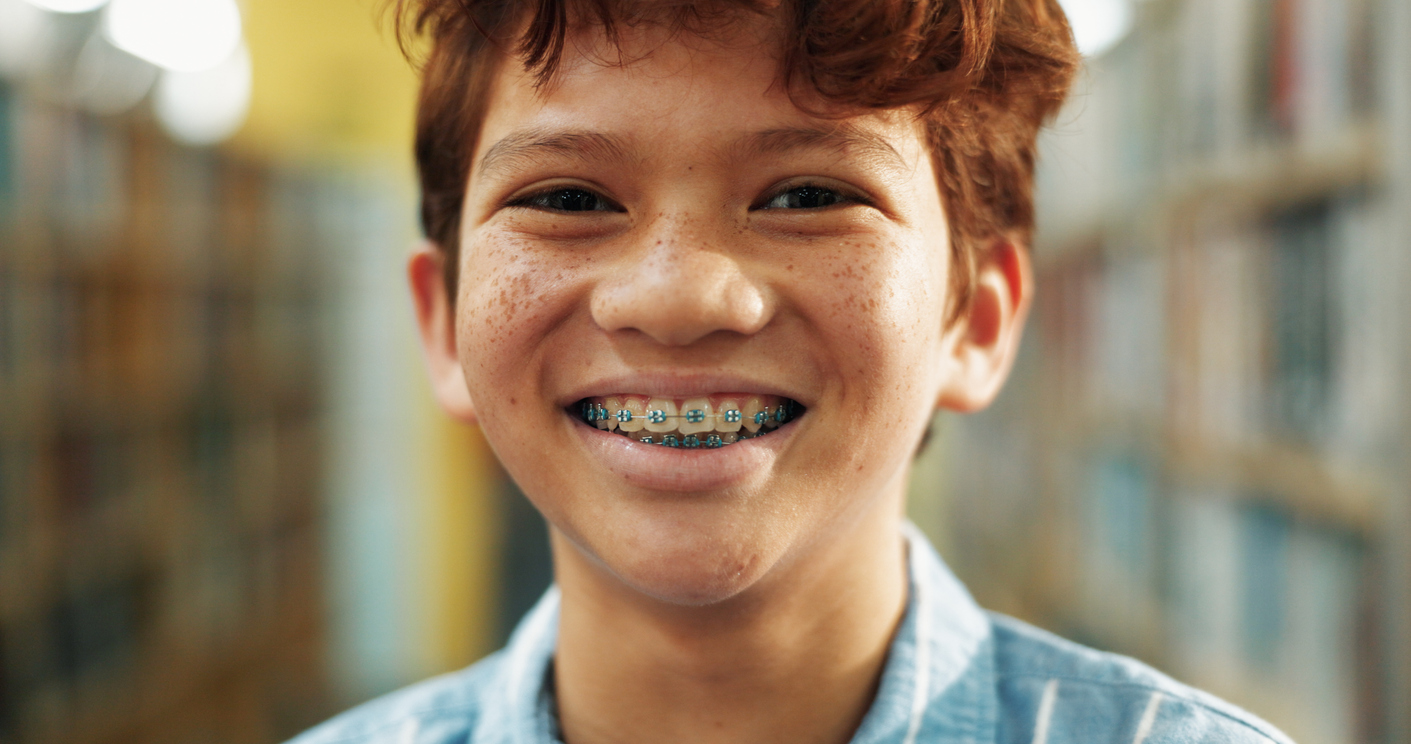
| Quick Answer: Braces for kids in 2026 typically cost between $3,000 and $7,500, depending on the type of braces, the length of treatment, and the complexity of the case. Traditional metal braces are the most affordable option, while clear aligners (like Invisalign® Teen) typically run higher. Most orthodontic offices offer monthly payment plans, and many dental insurance plans cover a portion — usually around $1,500–$3,000 in lifetime orthodontic benefits. |
If your child has been told they’ll need braces — or you’re starting to wonder yourself — one of the first questions is always cost. At Jensen Orthodontics in Las Cruces, we walk parents through the financial picture every week. The honest answer: braces for kids typically cost $3,000–$7,500, with most cases falling somewhere in the middle. Here’s what affects the price, what insurance typically covers, and how families make it work financially.
The 2026 Cost Range
Children’s orthodontic treatment in 2026 generally falls in this range:
| Treatment Type | Typical Cost Range | Length of Treatment |
|---|---|---|
| Traditional metal braces | $4,500–$6,000 | 18–24 months |
| Ceramic (clear) braces | $4,500–$7,000 | 18–24 months |
| Self-ligating braces (e.g., Damon) | $4,500–$7,500 | 18–24 months |
| Invisalign® Teen (clear aligners) | $4,500–$7,500 | 12–24 months |
| Phase 1 (interceptive, age 7–10) | $1,500–$3,500 | 6–12 months |
These are typical ranges. Specific cases — significant crowding, jaw alignment, multiple impacted teeth — can run higher. Simple cases sometimes run lower.
What Affects the Price
1. Complexity of the case. Mild crowding is much faster (and cheaper) to correct than significant bite problems, severe crowding, or jaw alignment issues. Your orthodontist will give a treatment estimate after a comprehensive exam with X-rays.
2. Type of braces. Traditional metal braces are the most affordable option. Clear ceramic and Invisalign® options cost more for the cosmetic and comfort benefits.
3. Length of treatment. Most children’s braces take 18–24 months. Shorter treatments (under 12 months) typically cost less; longer treatments (24+ months for complex cases) cost more.
4. Geographic region. Orthodontic costs vary by region. Las Cruces tends to fall in the moderate range, lower than major metro areas like Phoenix or Albuquerque.
5. The orthodontist’s experience. Board-certified orthodontists with significant experience treating complex cases sometimes have higher fees, but the result quality typically justifies it.
What’s Included in the Price
Most orthodontic treatment fees include:
- The initial consultation (often free)
- All records (X-rays, photos, digital scans)
- The braces or aligners
- All scheduled adjustment appointments
- Emergency visits during treatment (broken bracket, etc.)
- The retainer at the end of treatment
- Follow-up visits during the retention phase
What’s typically NOT included:
- Treatment of cavities or gum disease (handled by your general dentist)
- Replacement retainers if lost or broken
- Treatment of failed appliances due to damage from non-compliance
Always confirm what’s included before signing.
How Insurance Typically Helps
Most dental insurance plans include some orthodontic coverage, usually with these characteristics:
- Lifetime maximum — typically $1,500–$3,000 of orthodontic benefits per person
- Age limits — some plans cover children only (under 19), some cover all ages
- Percentage coverage — typically 50% of the orthodontic fee, up to the lifetime max
- Waiting periods — some plans require 6–12 months of coverage before orthodontic benefits kick in
Important: orthodontic insurance has a separate lifetime maximum from regular dental — using it doesn’t affect your child’s regular cleaning and exam coverage. We verify benefits before treatment and tell you exactly what’s covered.
Making It Affordable
- Monthly payment plans. Most orthodontic offices offer affordable financing spread across the treatment timeline (e.g., 24 months of equal payments).
- HSA/FSA accounts. Orthodontic treatment is HSA- and FSA-eligible, which can save 20–35% on the after-tax cost.
- Tax deduction. Orthodontic care is a qualified medical expense — keep records for tax filing.
- Sibling discounts. Many practices offer reduced rates for siblings in treatment together.
- Down payment + monthly. A down payment with monthly installments often gets a small discount overall.
- CareCredit or third-party financing. For families who want to spread payments over longer periods.
At Jensen Orthodontics, we work with families to find a payment plan that fits the budget.
Phase 1 vs. Phase 2 Treatment
Many parents are surprised to learn that some kids benefit from two phases of orthodontic treatment:
- Phase 1 (interceptive) — typically ages 7–10, while baby teeth are still present. Addresses skeletal issues, severe crowding, or bite problems early. Often $1,500–$3,500.
- Phase 2 (comprehensive) — typically ages 11–14, after most permanent teeth are in. Aligns all teeth and finalizes the bite. Typically $4,500–$5,000.
Combined, two-phase treatment costs slightly more than a single comprehensive treatment, but for the right cases it produces better results. We only recommend Phase 1 when there’s a clear clinical benefit. Most kids only need one comprehensive treatment.
Visit Las Cruces Braces
We offer free initial consultations for kids and teens at our Las Cruces office. Bring your child in, we’ll do a comprehensive exam, and we’ll give you a clear treatment estimate with payment plan options. We accept most insurance plans and offer in-house financing. Schedule a free consultation online or by phone.
Frequently Asked Questions
How much do braces cost for kids in 2026?
Children’s braces typically cost $3,000–$7,500 in 2026, depending on the type of braces, length of treatment, and complexity. Traditional metal braces are the most affordable option; Invisalign® Teen and lingual braces are higher. Phase 1 treatment (ages 7–10) typically runs $1,500–$3,500.
Does insurance cover children’s braces?
Most dental insurance plans include orthodontic coverage with a lifetime maximum of $1,500–$3,000. Coverage is typically 50% of the orthodontic fee up to that maximum. Some plans have age limits or waiting periods. We verify benefits before treatment.
What’s the cheapest option for kids’ braces?
Traditional metal braces are the most affordable orthodontic option in 2026, typically running $4,500–$6,000 total. They’re also the most efficient for many cases — meaning shorter treatment times, which can also reduce overall cost.
Are payment plans available for braces?
Yes — almost every orthodontic office offers monthly payment plans. At Jensen Orthodontics, we work with families to explain insurance coverage and find a payment plan that fits the budget, often without a large down payment.
Are HSA or FSA accounts allowed for orthodontic treatment?
Yes. Orthodontic treatment for children is HSA- and FSA-eligible. Using pre-tax dollars saves 20–35% on the after-tax cost depending on your tax bracket. Many families fund their HSA/FSA specifically for orthodontic treatment.
What’s the difference between Phase 1 and Phase 2 treatment?
Phase 1 (ages 7–10) addresses skeletal issues, severe crowding, or bite problems early while baby teeth are still present. Phase 2 (ages 11–14) is full-mouth comprehensive braces or aligners after all permanent teeth come in. Not every child needs Phase 1 — only those with specific issues that benefit from early intervention.
|
Wondering what braces will cost for your child? We truly care about your child’s health and happiness. Reach out to get your child’s free consultation scheduled. We can’t wait to see you. Las Cruces Braces │ Jensen Orthodontics, Las Cruces, NM │ Free Consultation → |